Project Lemaire
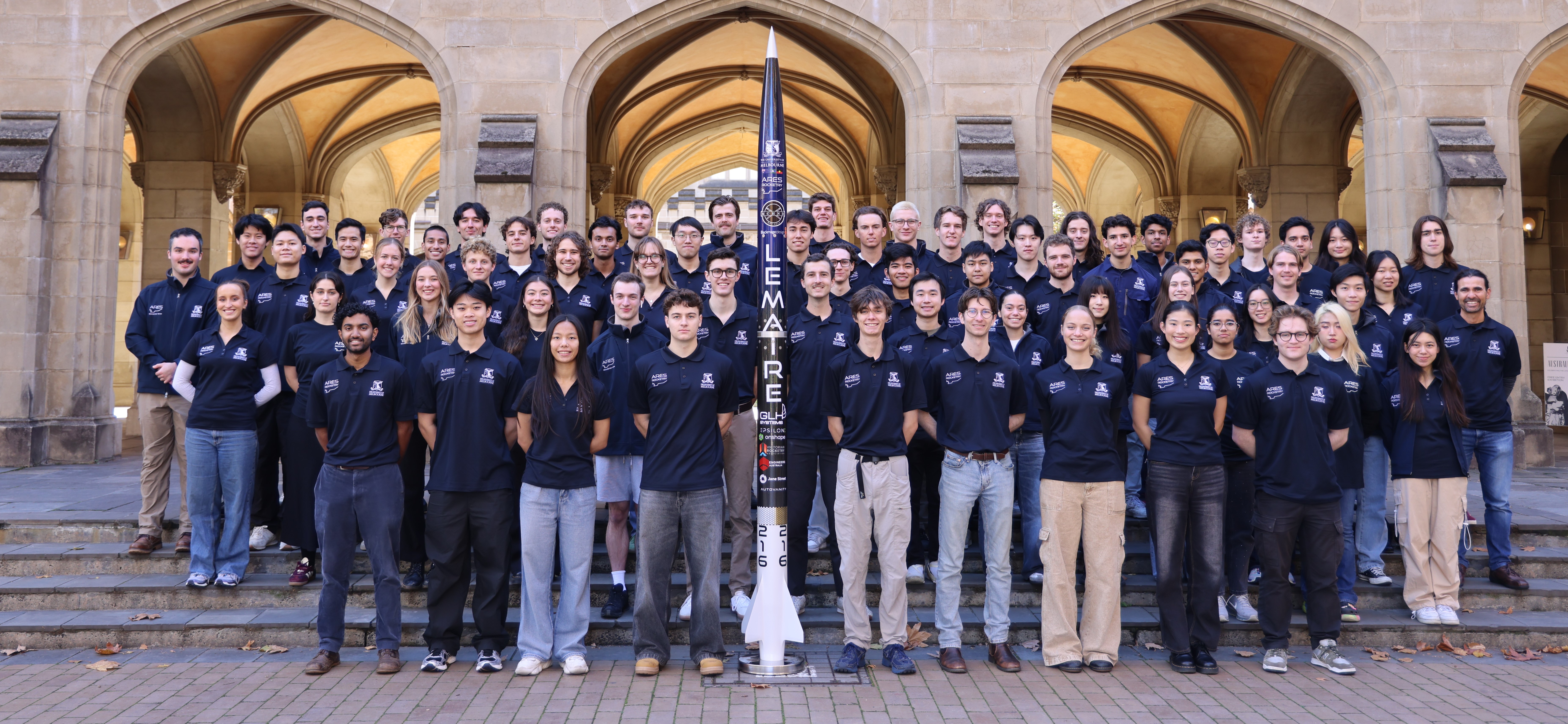
Lemaire is ARES’ entry into the 2025 IREC, in the 30k COTS category. I served as Chief Engineer of Lemaire from July 2024 to June 2025, where I was chiefly responsible for all technical aspects of the vehicle. I oversaw the high-level development of the vehicle, from establishing requirements of the design early to designing the final flight test and competition operations my team would follow on the day. Lemaire’s peak acceleration was 22G, reaching Mach 1.8 (599 m/s or 2156.4 km/h) and flying to an apogee of 28,460 ft (8.7 km). Florence features a composite airframe with aluminium bulkheads, custom avionics, a novel recovery system and an airbrakes control system.
Make Your Own Luck
The previous ARES rocket, Florence, soared as ARES’ most successful rocket to date, flying to 29,782 ft — 0.73% off target apogee. It serves as a testament to how successful entirely rethinking your design philosophy can be. After an exodus of old blood within the team and with a rookie management crew, only three of which had been to competition before, Lemaire’s primary goal was one of knowledge retention and consolidation. Student competition rocketry is fraught with variables that are significant and hard to control. There is inherent randomness in launch rail departure, parachute deployment, and weather, all of which can make or break a rocket’s performance. Florence slightly undershot its apogee with zero airbrake deployment, meaning launch conditions were near-perfectly in alignment with the simulated environment, but such ideal conditions are and are treated as extremely rare. Lemaire’s secondary goal was to develop the technology and techniques that ensure mission success under the largest subset of possible launch conditions and recovery attempts.
Aerospace Design and Manufacturing
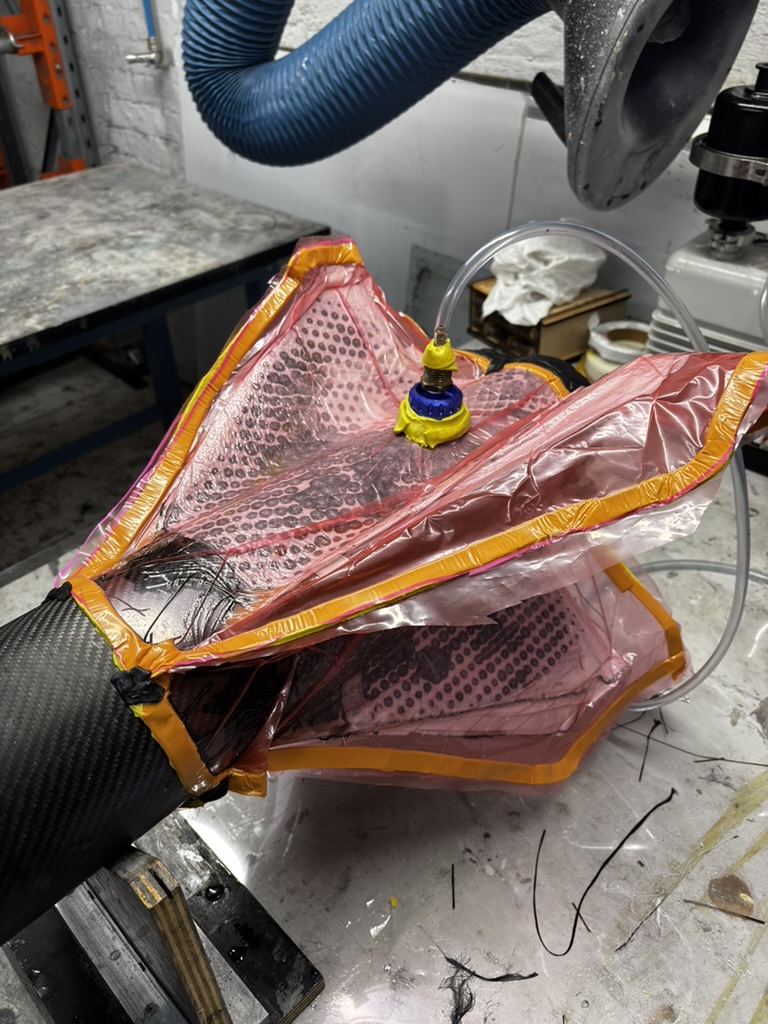
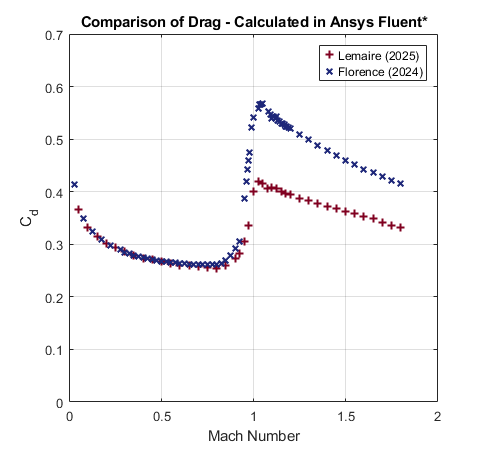
Lemaire’s fibreglass nose cone and boat tail, and carbon fibre fin can are assembled in-house. Developments during this cycle included using vac-bagging around the tip-to-tip carbon layup over the fins, producing an invisible transition from body tube to boat tail. Supersonic drag was reduced by 23% by aerodynamic optimisation of airframe components using CFD in Fluent, and the design, testing and successful integration of retractable hardpoints. Such optimisation was necessary in ensuring Lemaire would overshoot its apogee without airbrakes. Lemaire also featured novel internal designs including topology-optimised CNC’d bulkheads and an internally connected avionics-recovery bay that eased vehicle integration.
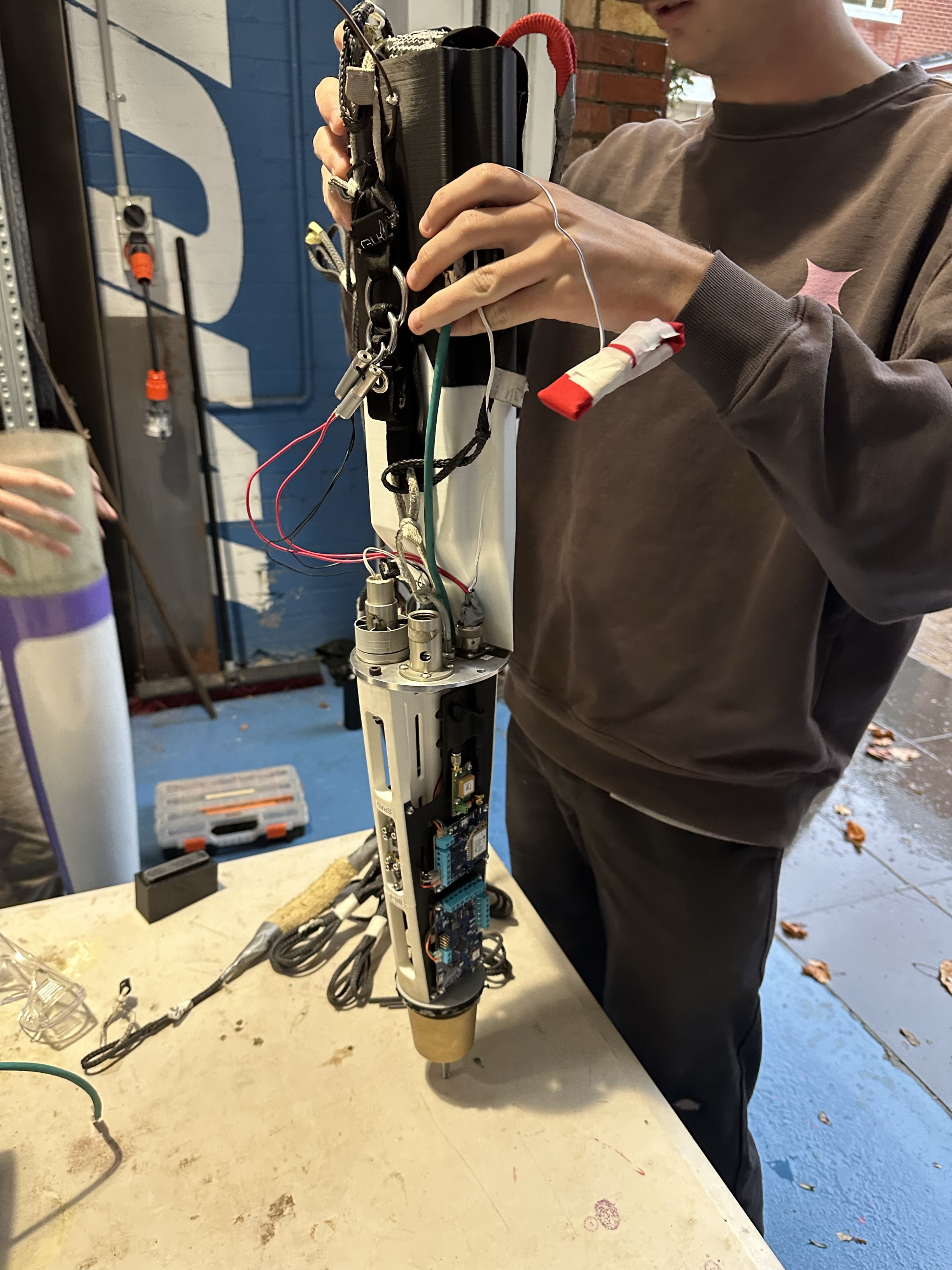
As a second year student, serving in leadership for Lemaire was foundational for my understanding of what being an engineer is, introducing me to a much wider array of skills and disciplines vital to the development of a supersonic sounding rocket. This is where another one of my passions, one for aerospace manufacturing, began, a passion which I would dive further into after my tenure in leadership. One of ARES’ core strengths, I think, is not in creating excellent aerospace engineers, but in its ability to foster meaningful projects across all disciplines of science and engineering.
Test Flight Campaign
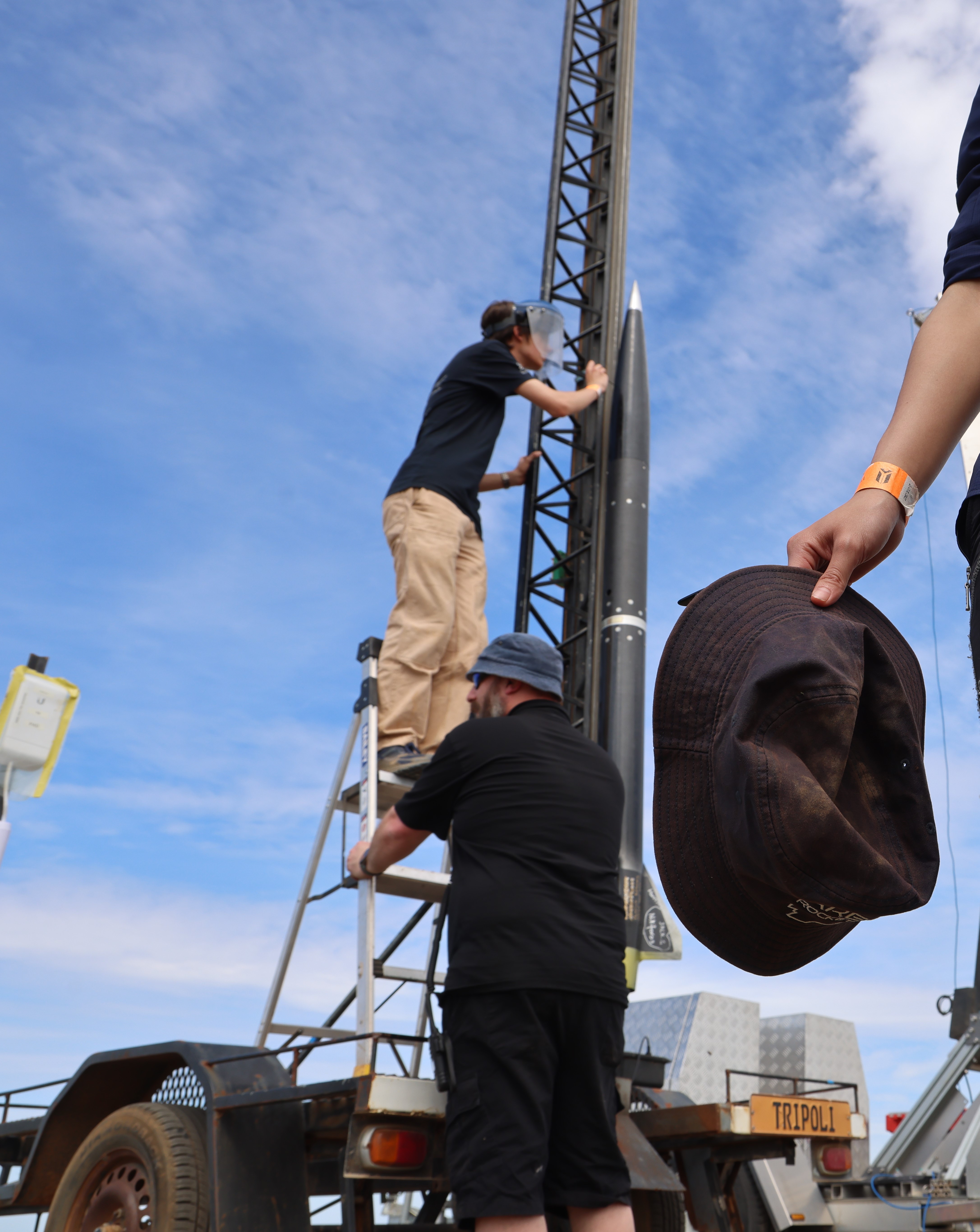
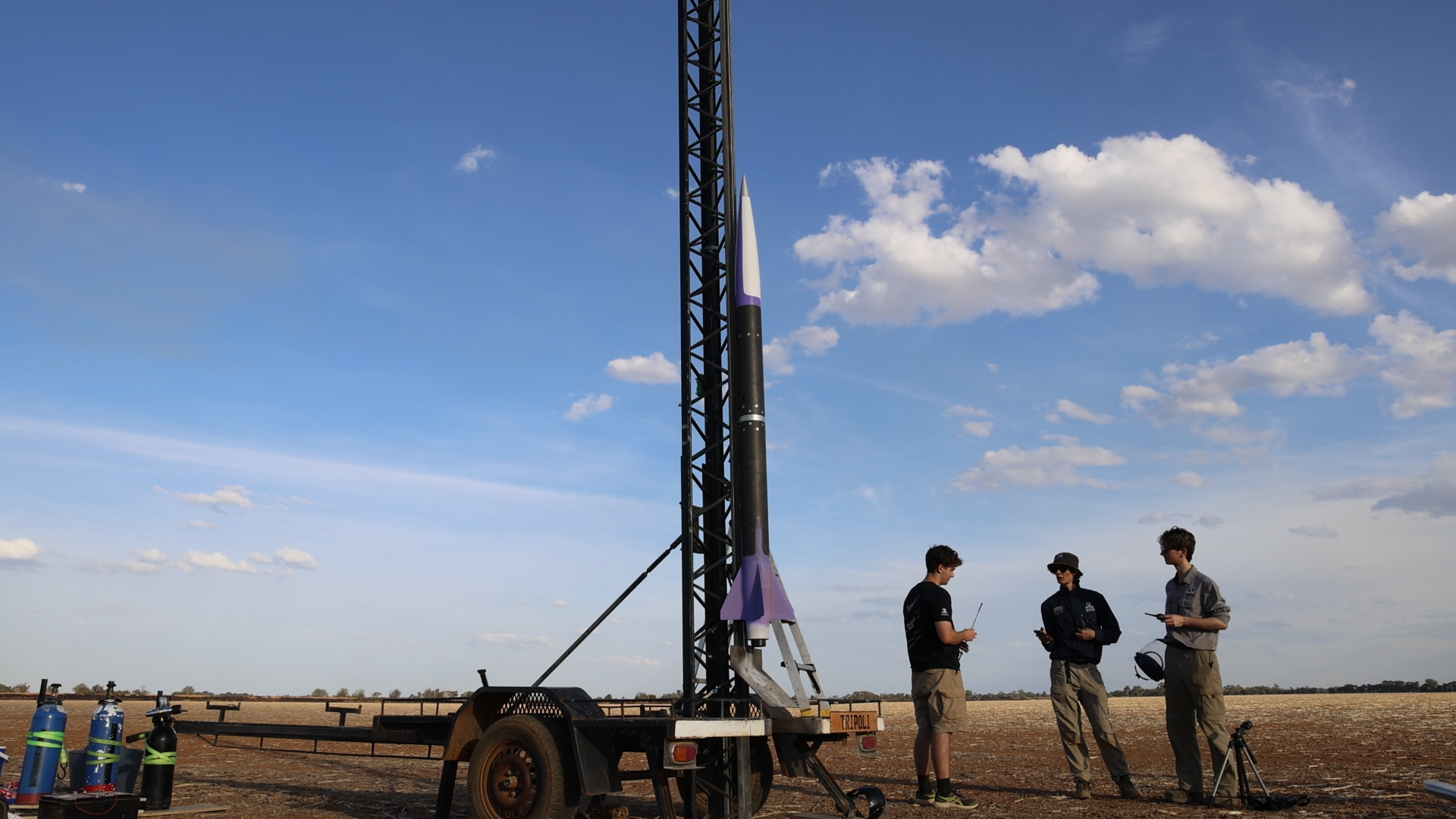
As well as directing test programs for individual components, I helped lead the team through a rigorous flight-testing campaign vital for recovery system validation and airbrake control system development. This campaign saw four level 3 flights over four months, including two launches in one weekend, the highest launch frequency ever achieved by an Australian University. These included the design and implementation of integration and launch procedures using industry-wide platform Epsilon3.
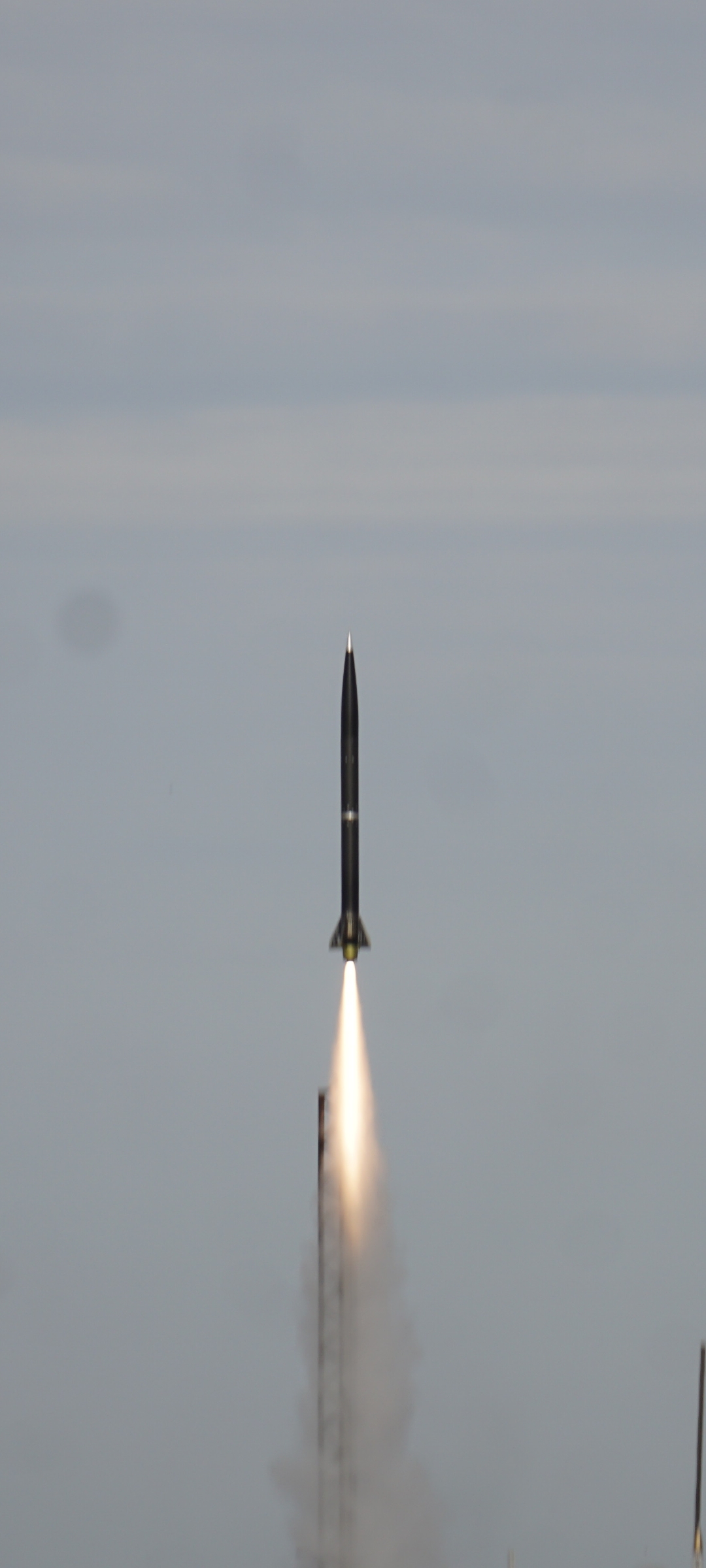
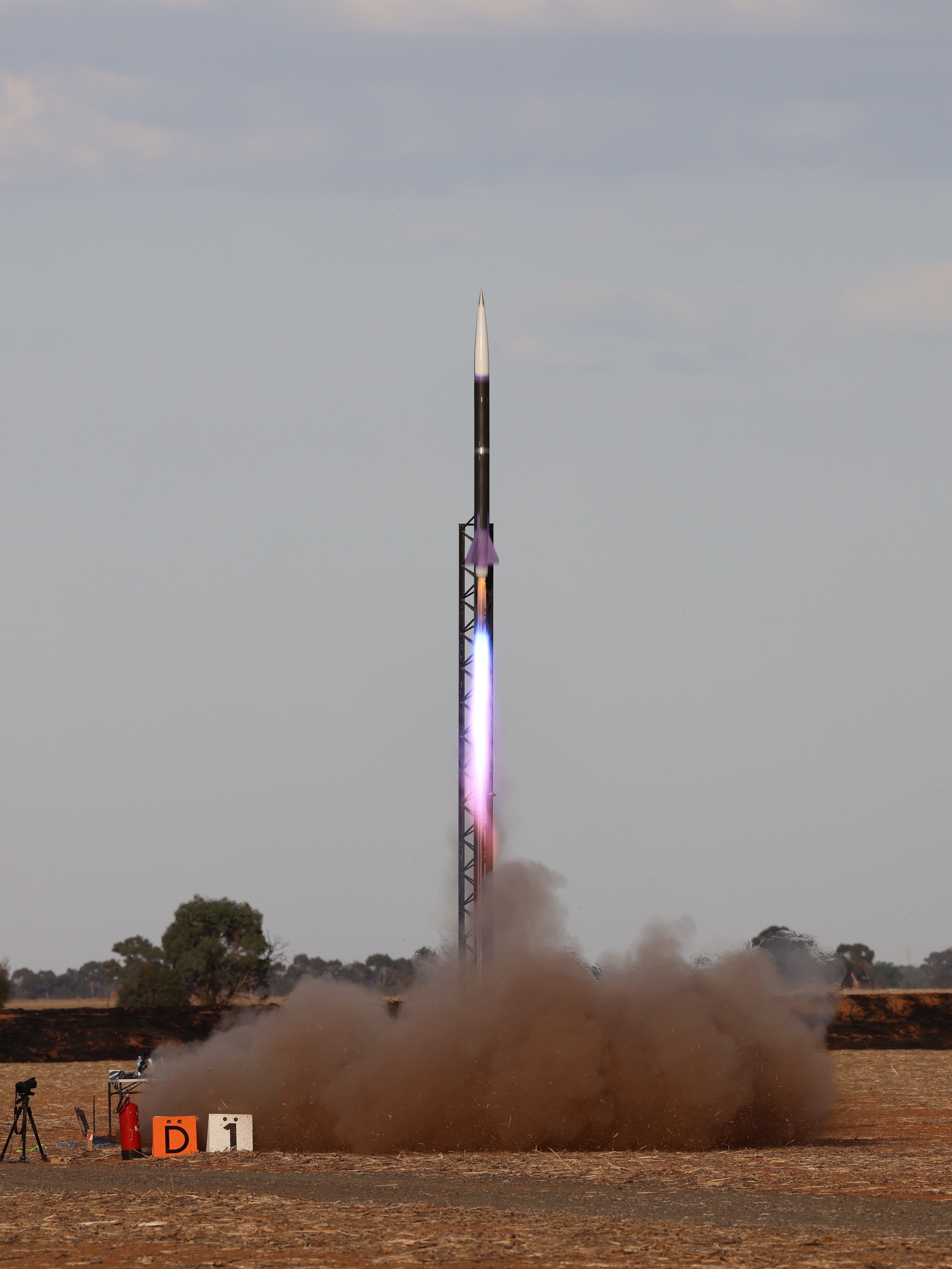
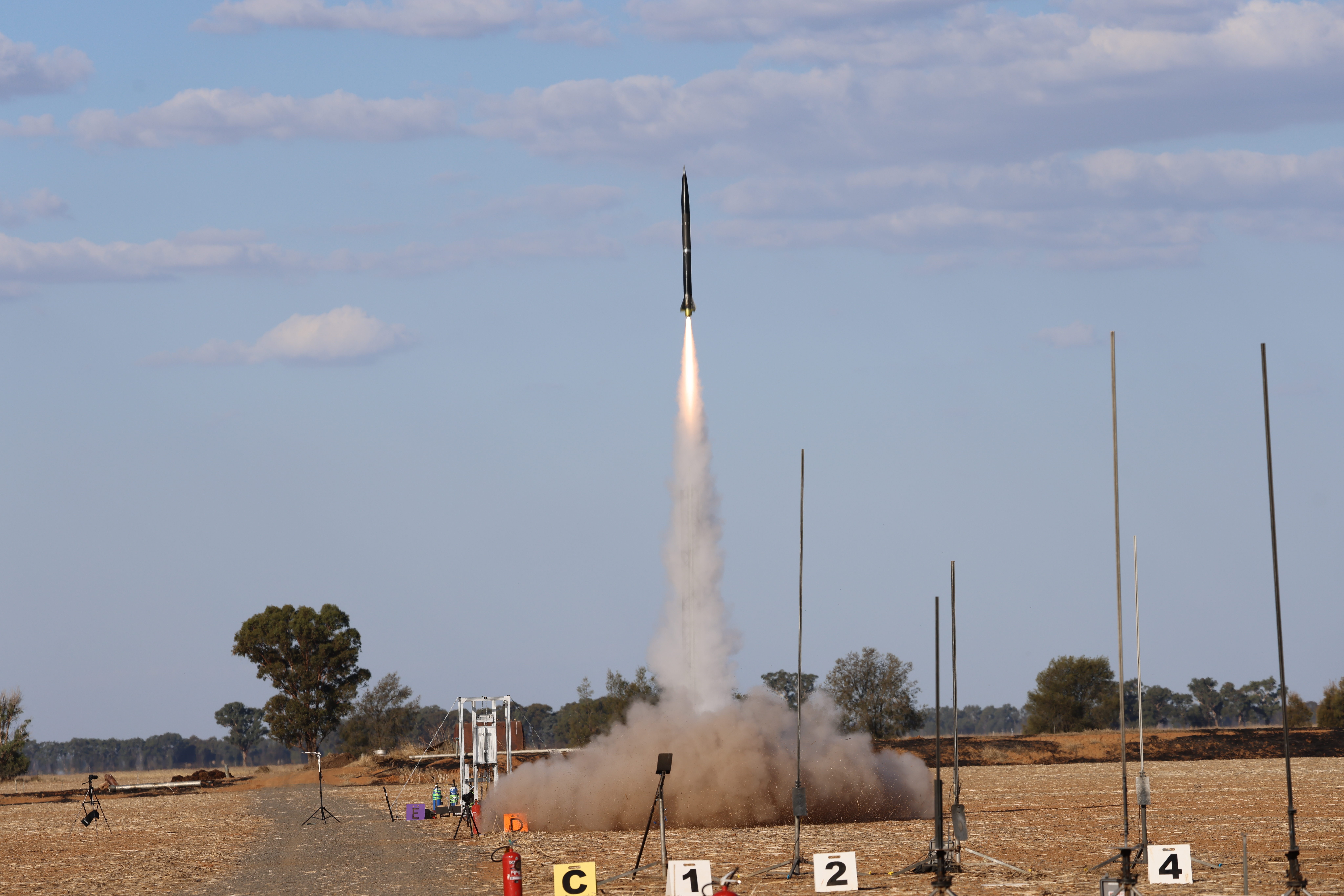
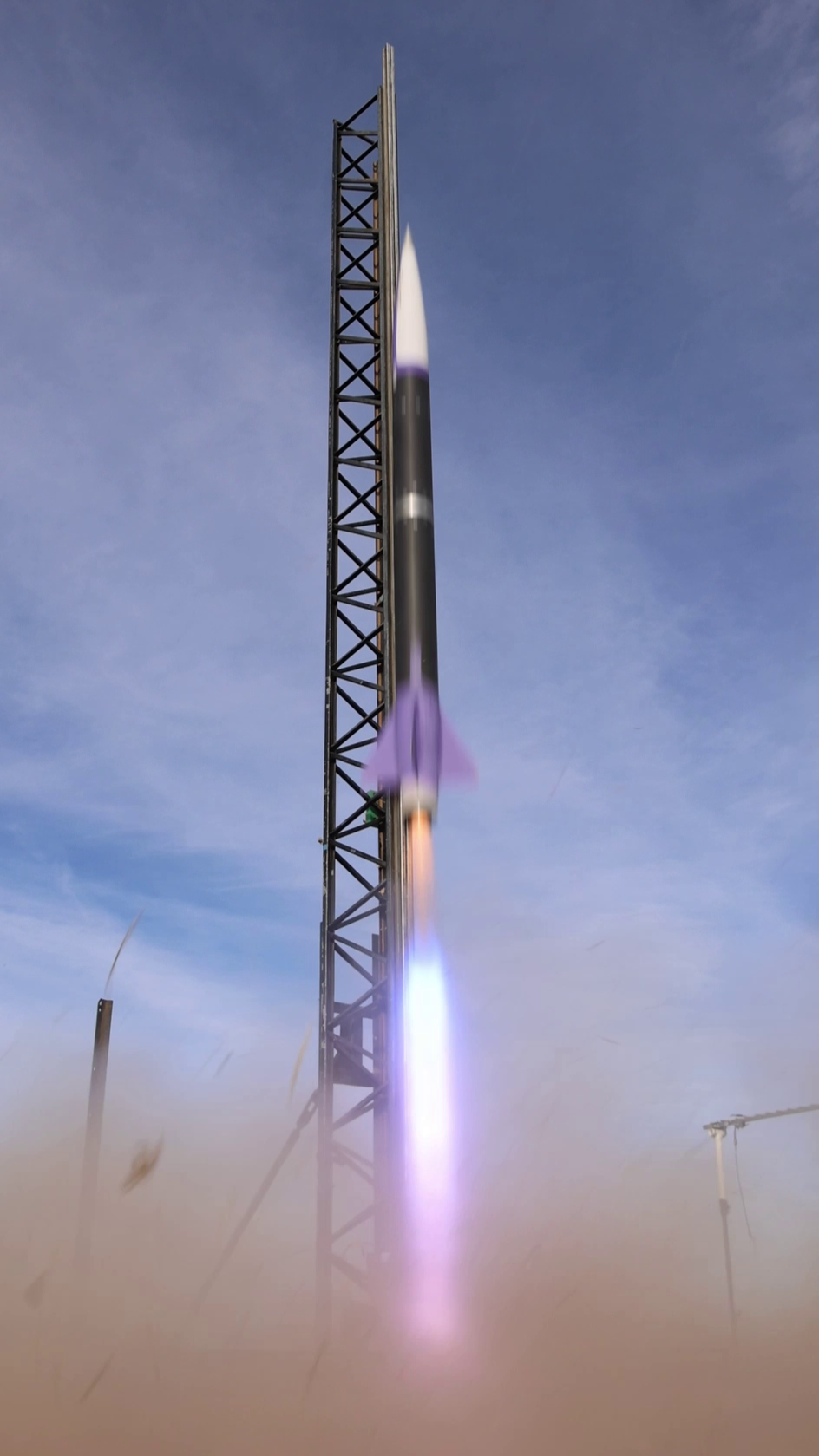
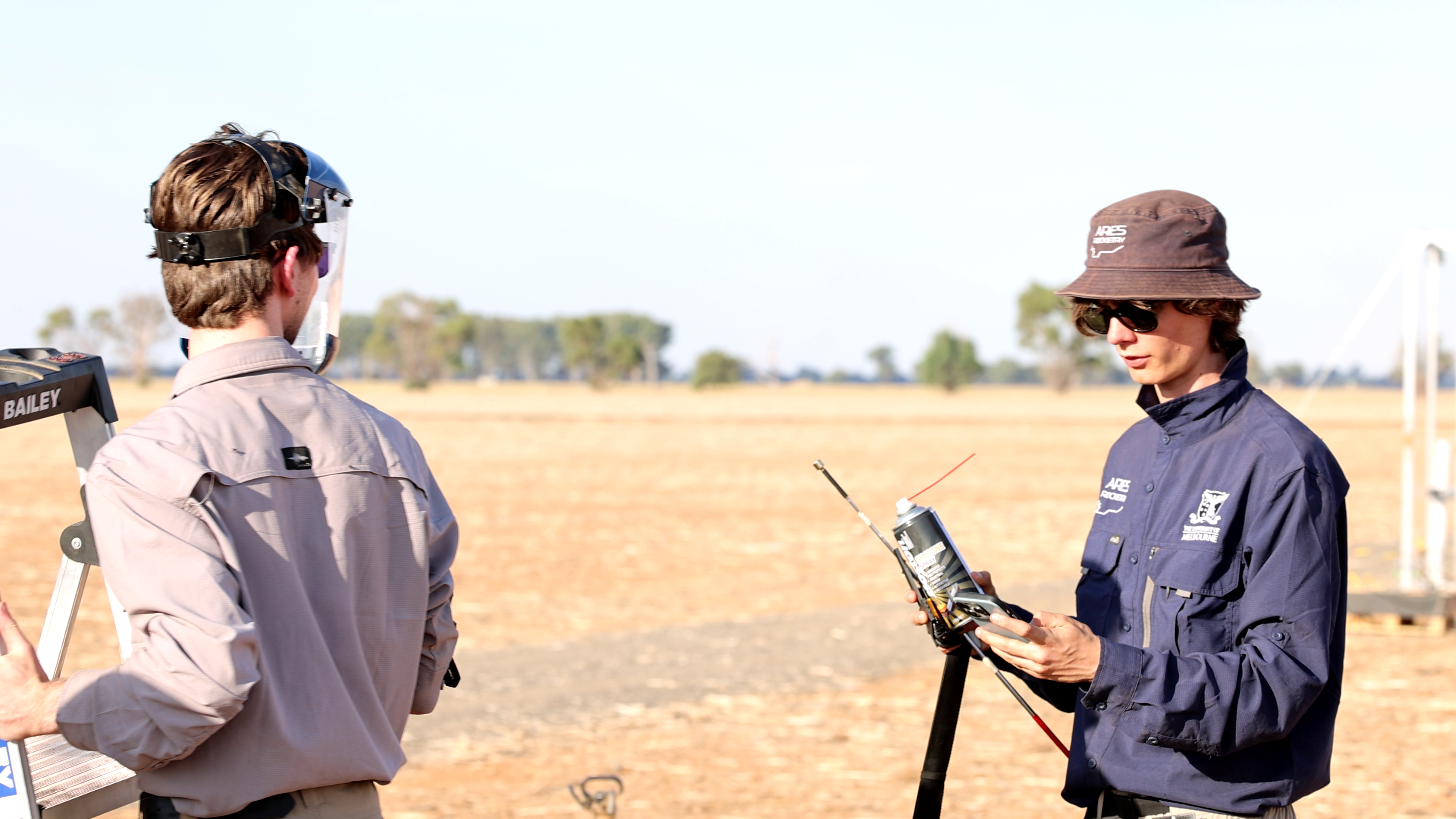
ARES test flights are conducted in Serpentine, Victoria, about a 2.5-hour drive from our university campus. The Victorian Rocketry Association runs the launch site and makes sure our rockets get off the ground. Test flights are the culmination of months of design and preparation, and test not only the launch vehicle, but also the team’s ability to stick to and adapt from launch procedures. They are a consistent showcase of the team’s ability to execute under high pressure and little margin for error, and they are some of my favourite days of my entire university life.
Competition in Texas
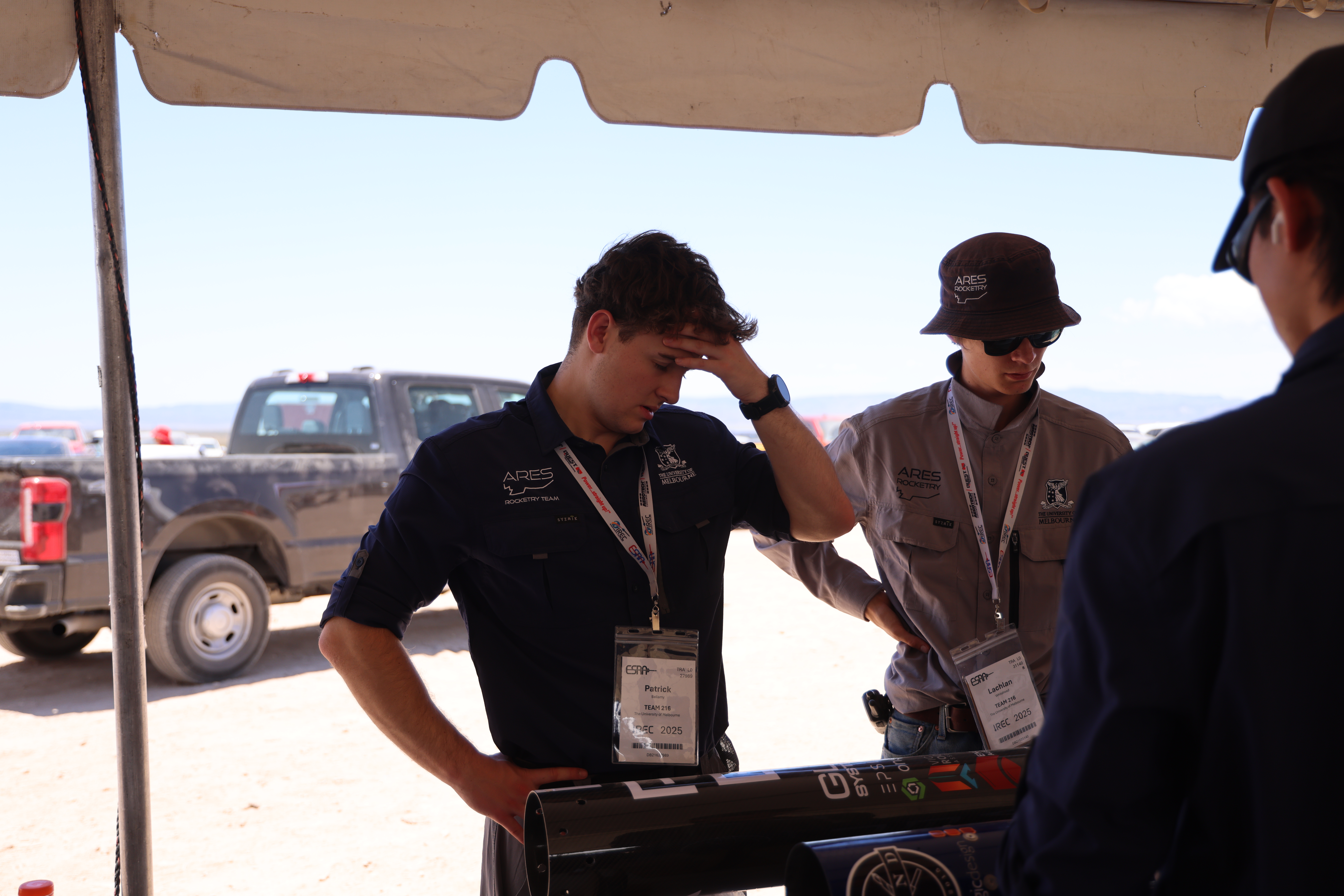
Returning to the states in certainly a much more pivotal role than for Florence felt as much as a proving ground for me as it was the rest of the team. Competition week involves proving your design to judges, undergoing safety reviews, presenting podium sessions, and working through the relentless West Texas heat on the launch pad day-in and day-out.
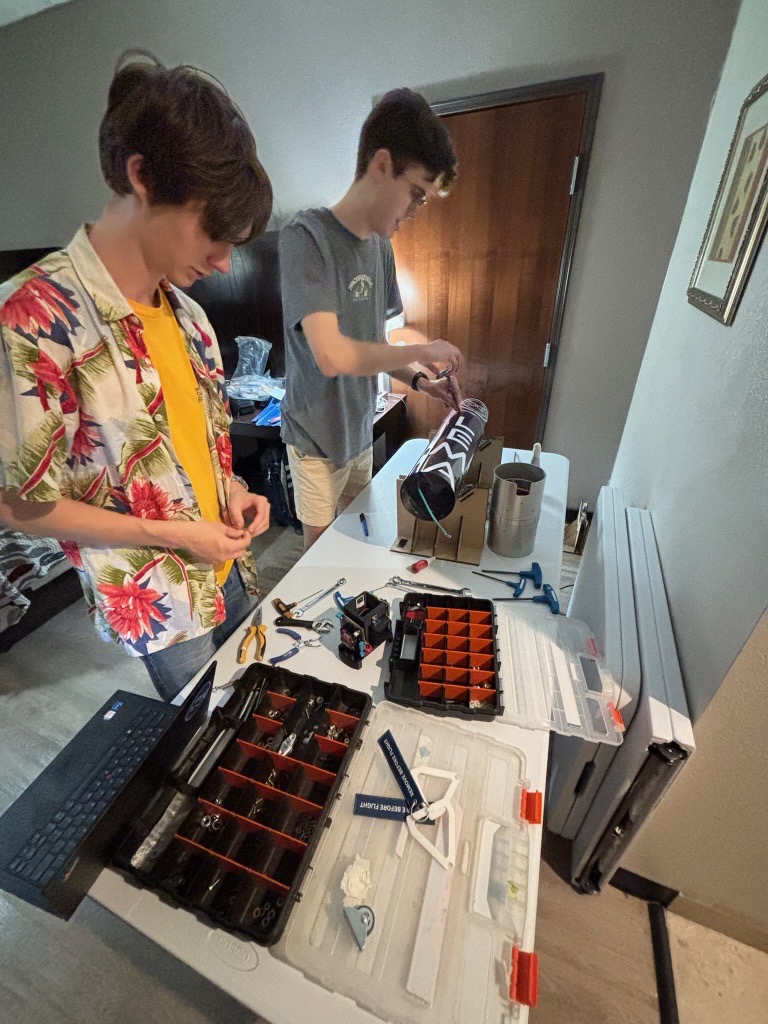
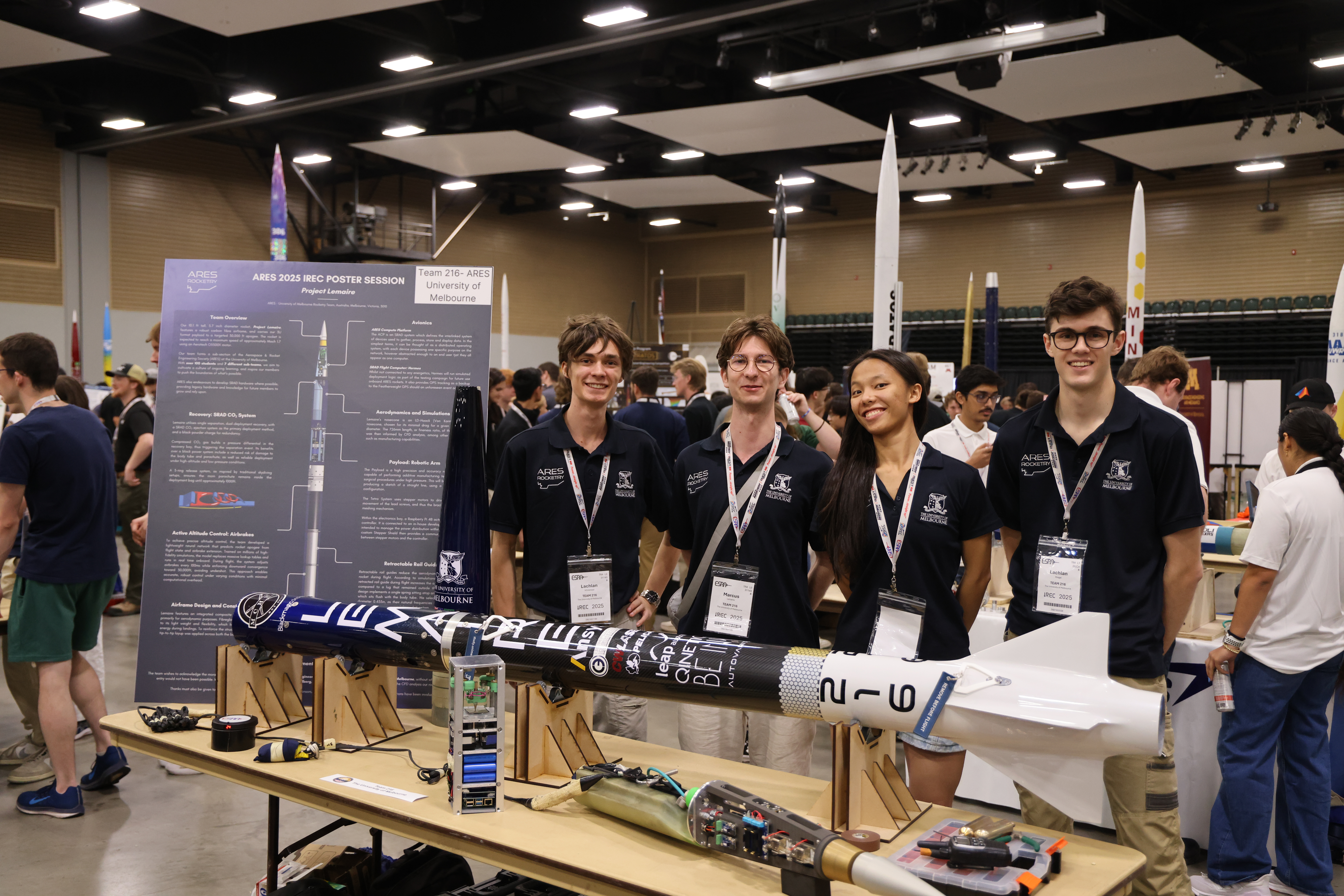
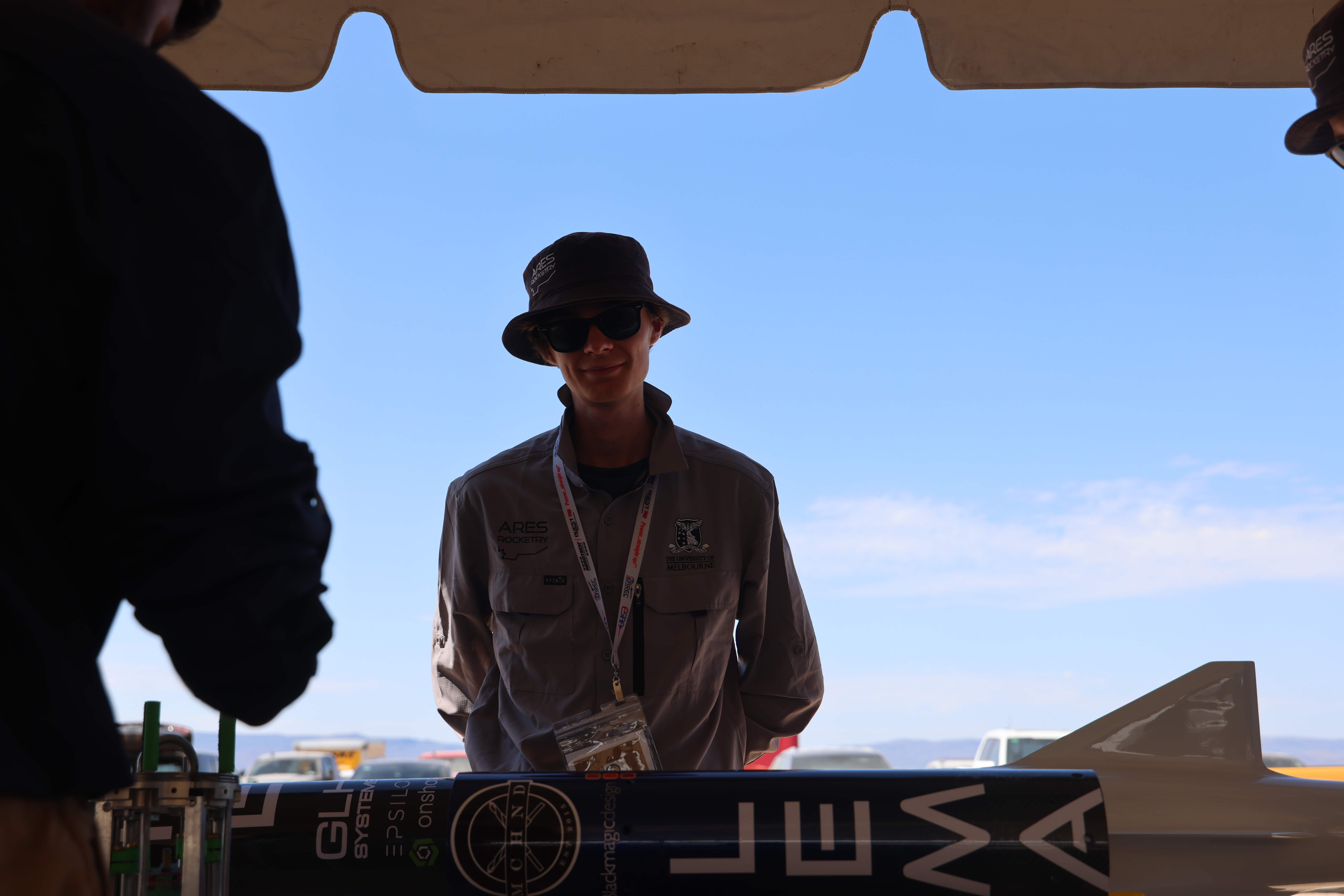
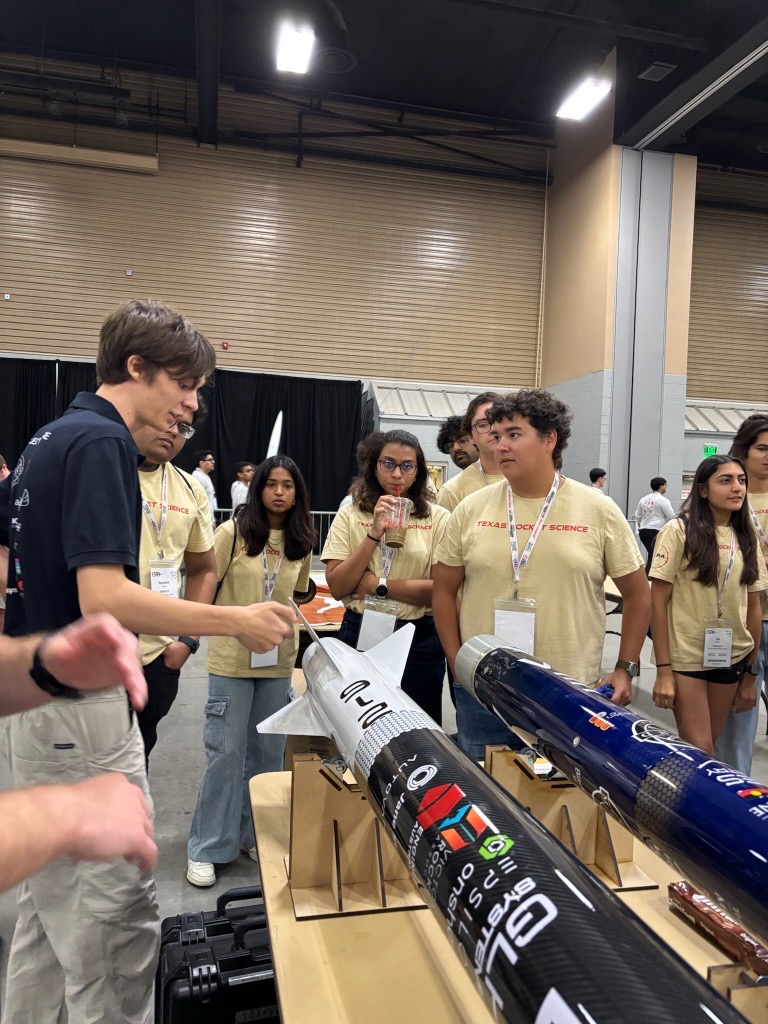
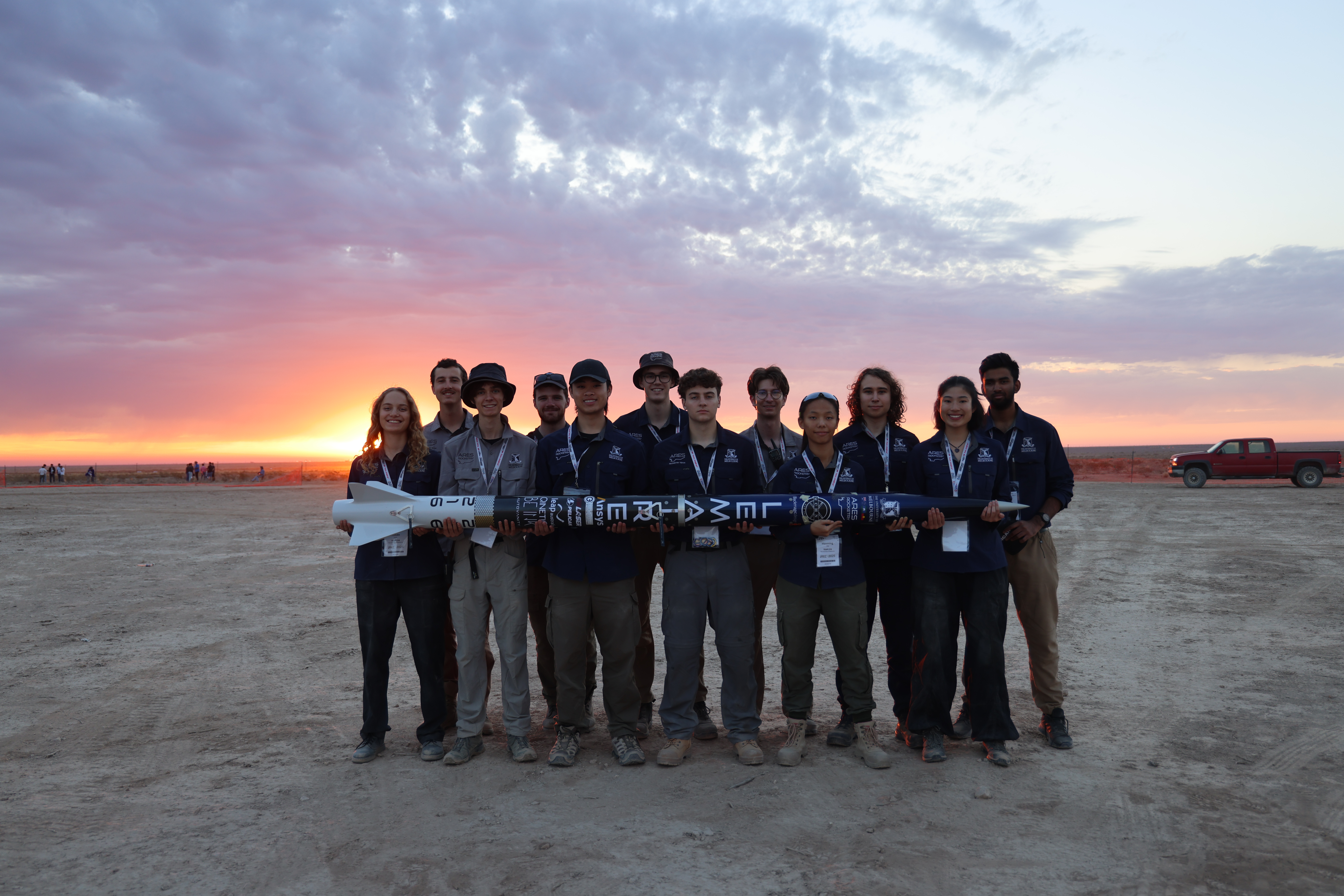
Lemaire launched on Friday the 13th June to 28,640 ft after a 20-degree bank off the launch rail during off-the-rod instability. At apogee, the recovery system correctly deployed but the secondary redundant separation charged was overweight and blew a hole in the side of the nosecone when it fired. The damage this caused was judged too significant for us to be granted the 150 recovery bonus points for the competition. We finished 140 points below the #1 spot in our category, placing us fifth.
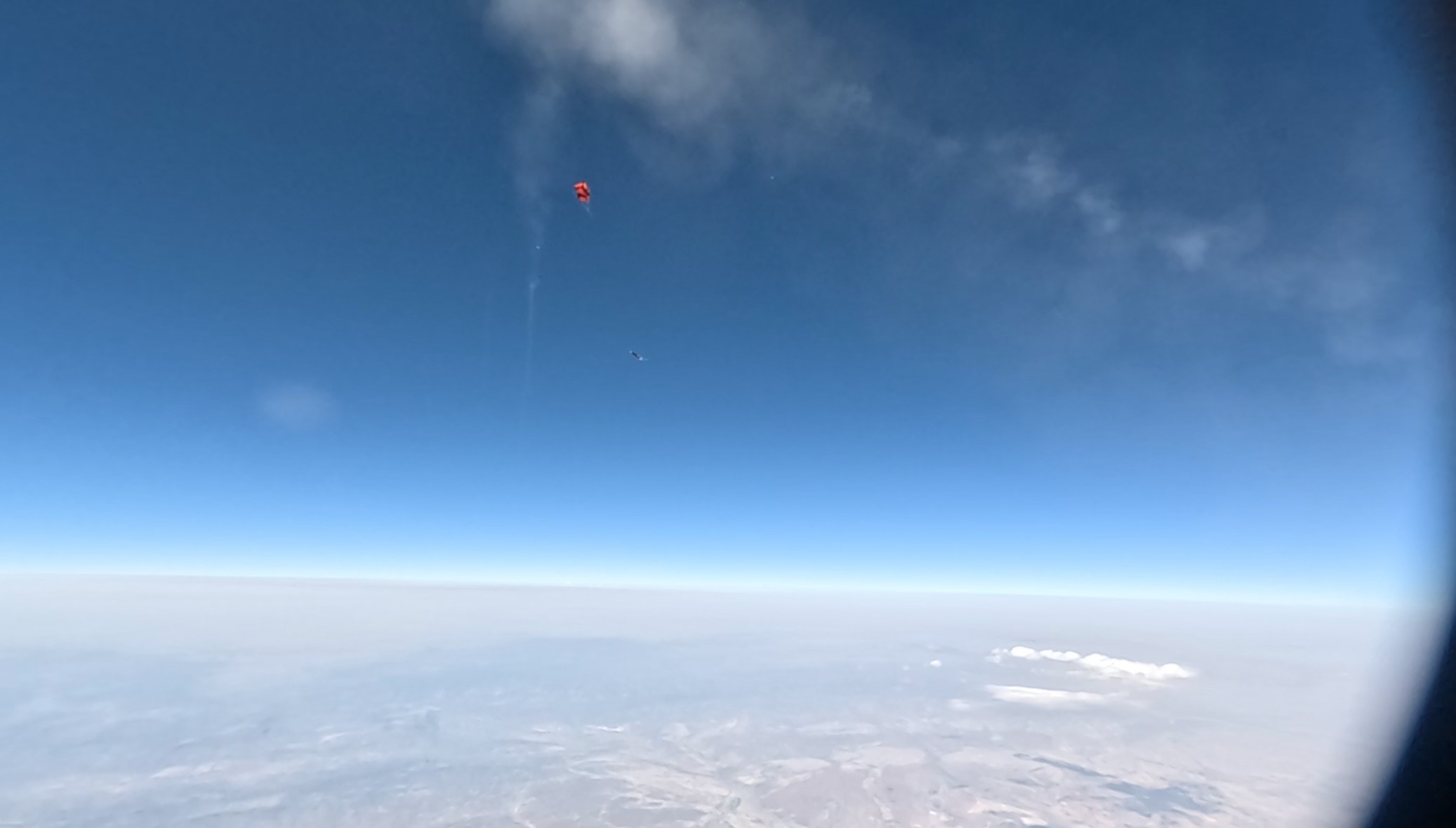
Lemaire's detached main chute and nosecone as seen from the body tube's onboard GoPro.
I was so proud that despite every challenge we faced throughout competition, we still pulled off a winning score if the recovery bonus is ignored. I won’t pretend that Lemaire’s final lesson was that winning doesn’t matter or that somehow it didn’t hurt to lose, but after all the dust settled it was clear to me that my team did an outstanding job at engineering a better rocket than ARES had ever made before.
My time as Chief Engineer was invaluable for my engineering experience, bringing me out of my simulations shell and forging skills applicable to pursuits far beyond sounding rocketry. The lessons Lemaire taught myself and ARES are recited to this day, and I’m always glad when the team decides to show off Lemaire at public events despite its battle-scarred airframe.