Project Odyssey
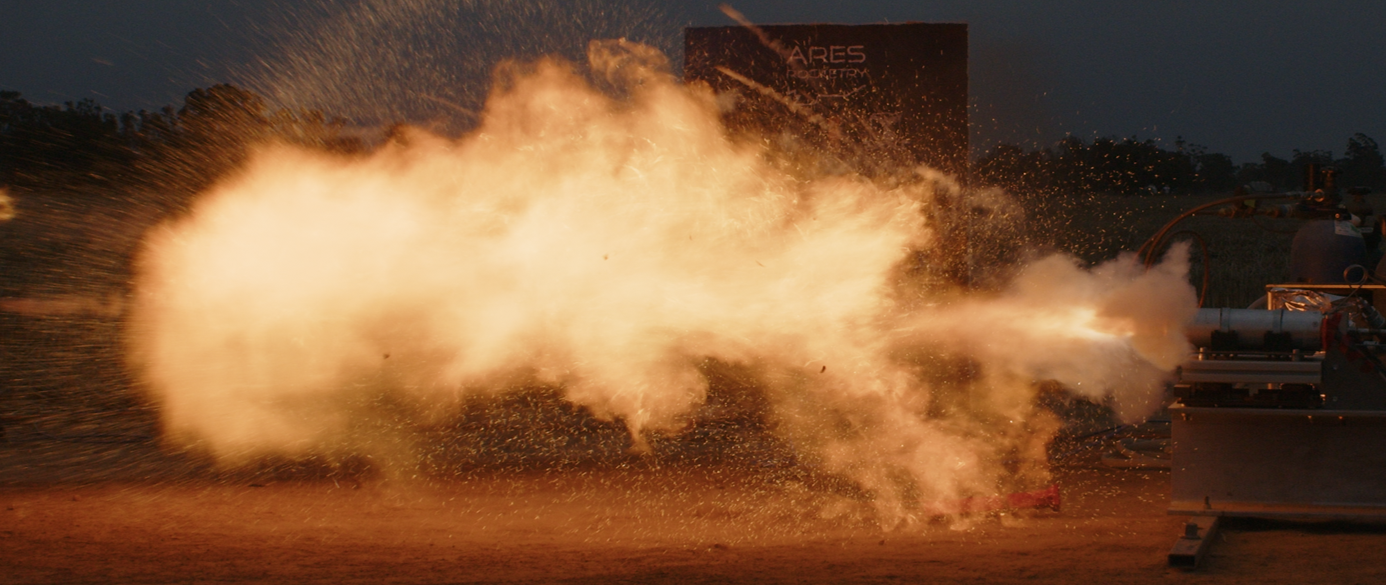
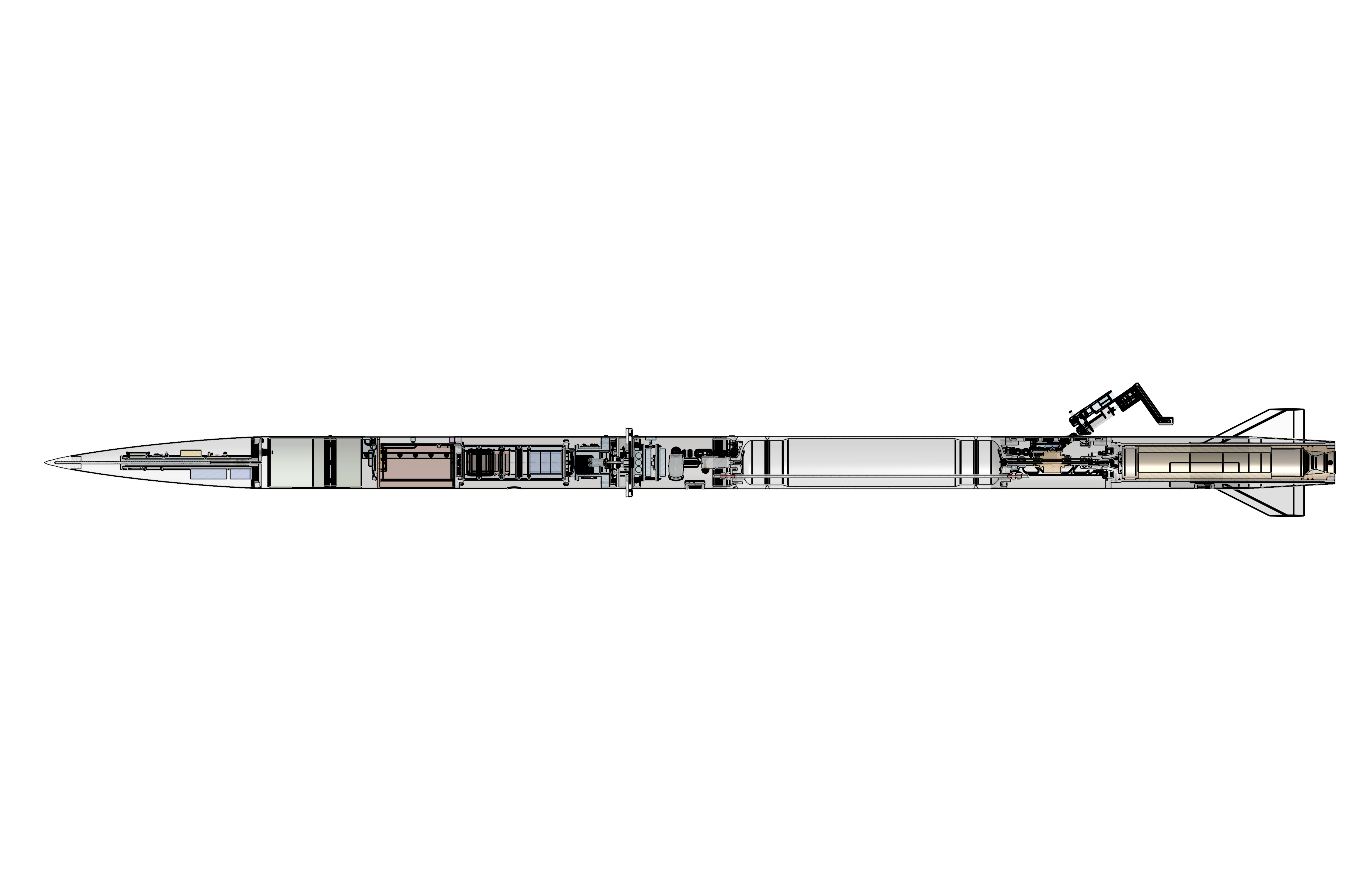
Odyssey is a 150mm diameter 10,000 ft sounding rocket flying on ARES’ first student-developed hybrid rocket motor, flying in late 2026. I took the opportunity for a change of pace with Odyssey, and worked on a much lower-level, focusing mainly on manufacturing of the composite airframe and analysis of the full-scale hybrid rocket engine.
Composite Manufacturing
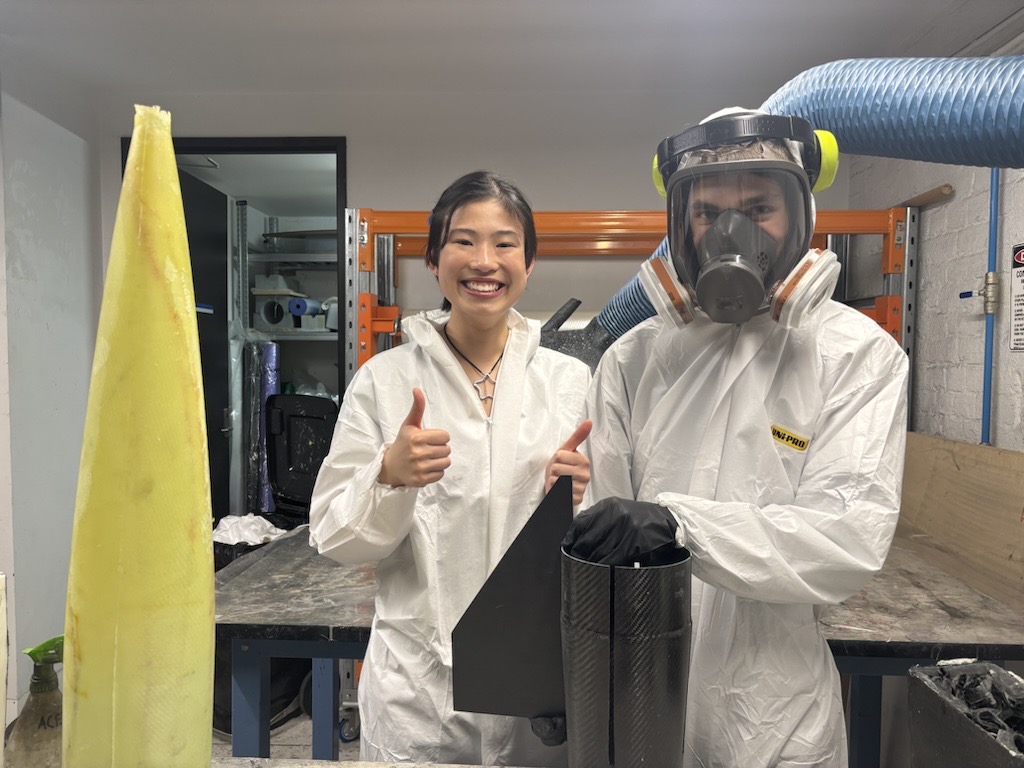
Odyssey had an extended timeline which allowed the team to explore in-house manufacturing methods for the entire rocket, namely the fins and body tubes, which were historically purchased/sponsored from a composites provider. I developed several iterations of a co-cured carbon fin can to be infused all in one go, producing a considerably lighter fin can. This weight reduction was significant for ARES in particular, whose fin cans have usually been weighed down considerably by epoxy to bond the fins to the body tube, extra resin from reinforcement layups, and a heap of bog to smooth over the final product. I talked with a number of composites experts at the University during the design process but ultimately decided to decrease the scope to only manufacturing standalone fins (instead of procuring them). The primary reason for this was the difficulty in producing a strong enough part with resin infusion. With no access to pre-preg sheets, the complex shapes of the fin would likely become incredibly tricky to handle, lay up, and fill the the correct amount of resin. Ultimately, I still learned so much in an area I hadn’t explored for most of my undergrad.
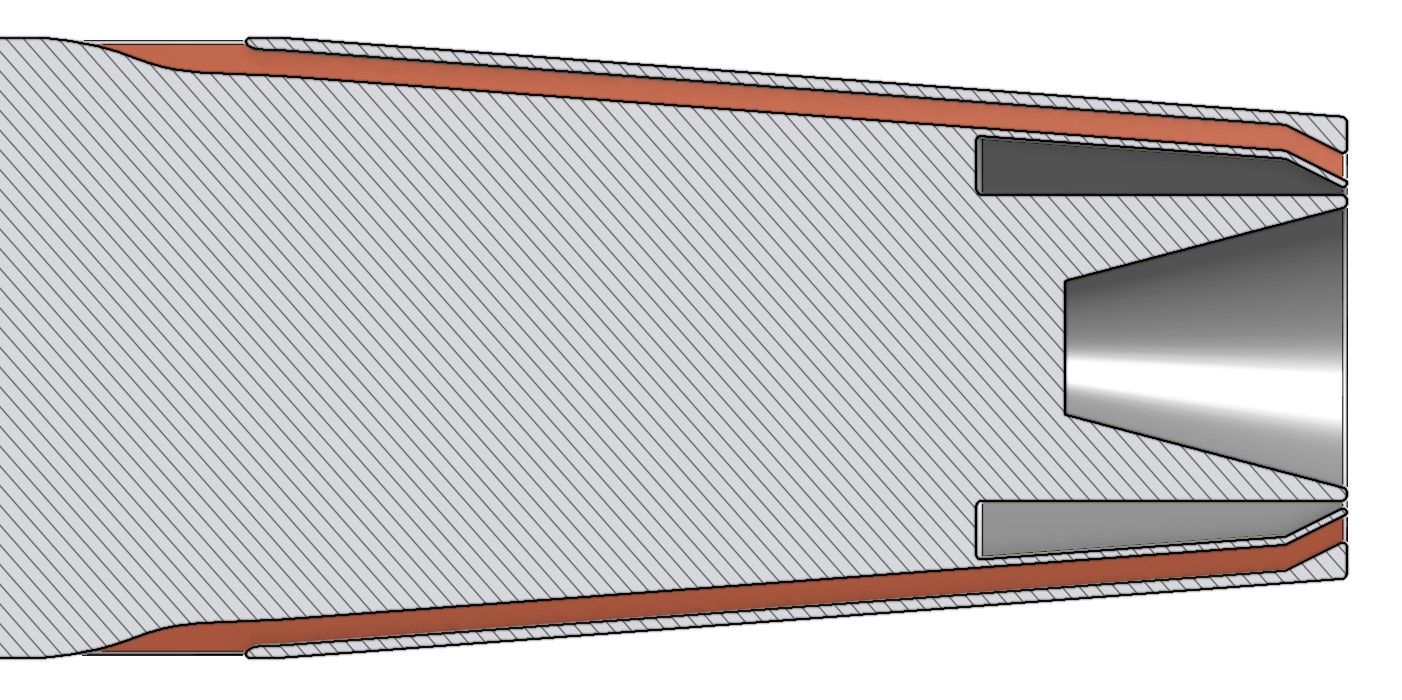
Odyssey's early boat tail designs also featured passive base bleed vents that I was designing. However, Odyssey's aspect ratio meant that in CFD analysis, the base drag savings did not outweigh the added drag and weight of the vents.
I attended my first resin infusion with the University motorsports team to help understand the methods that might have been applied for the fin can.
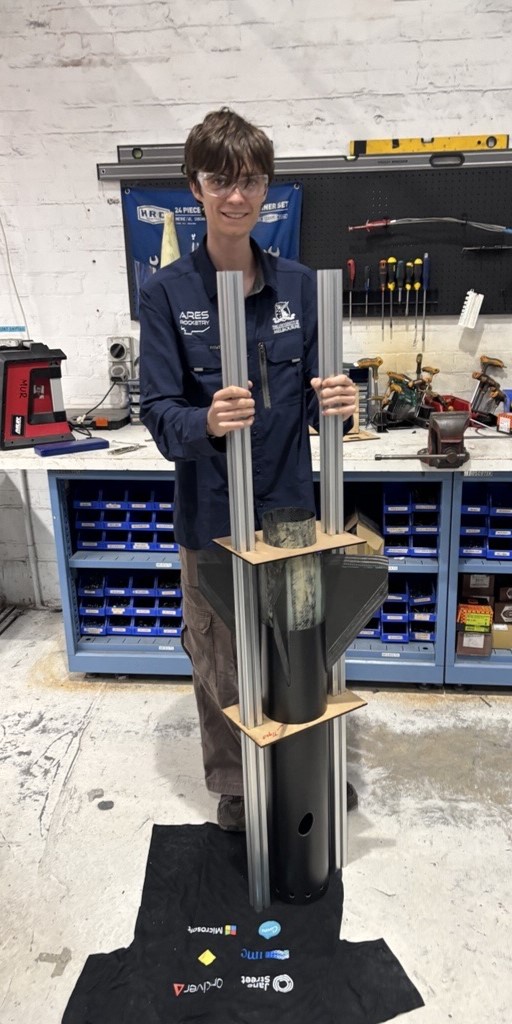
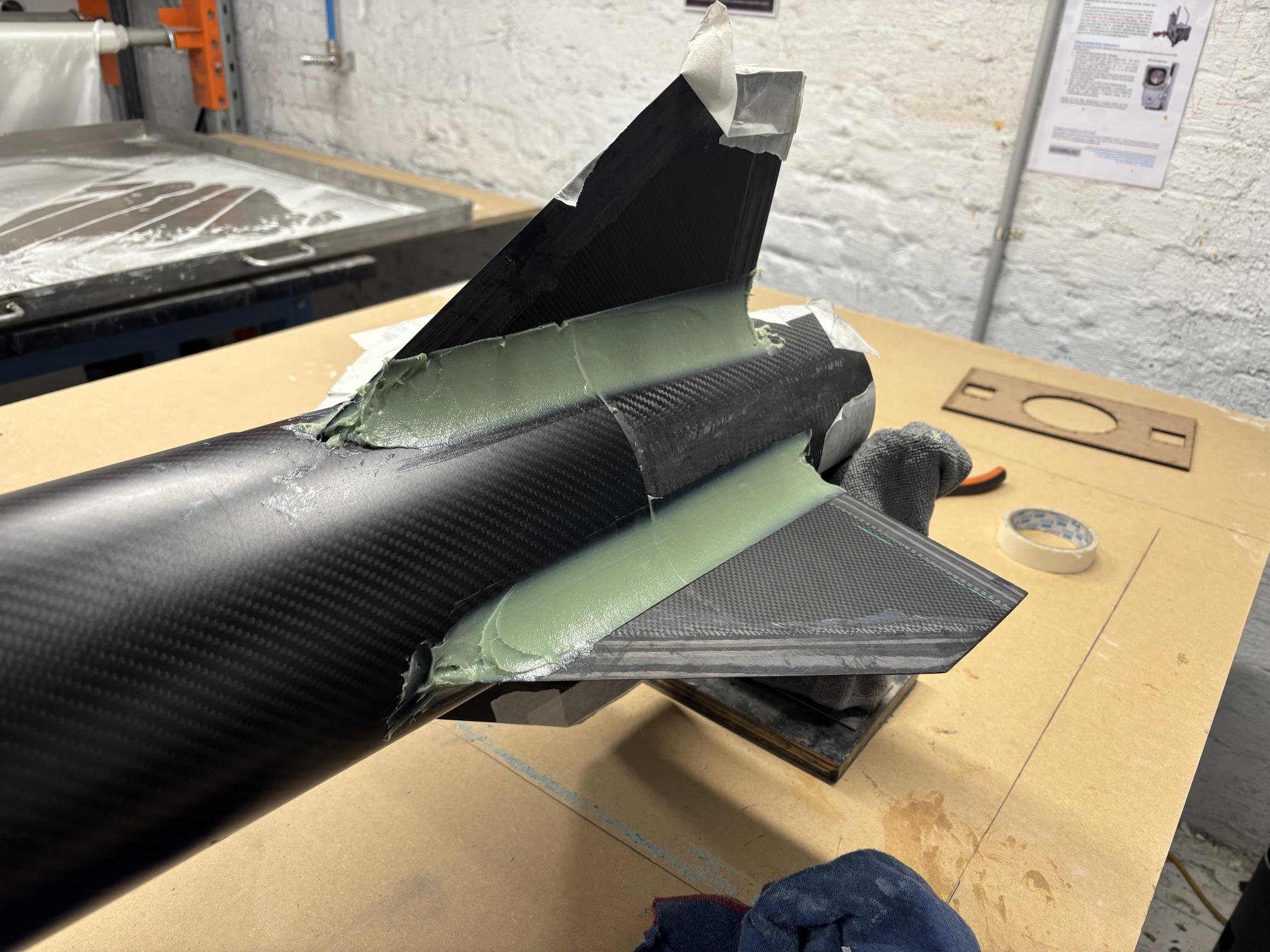
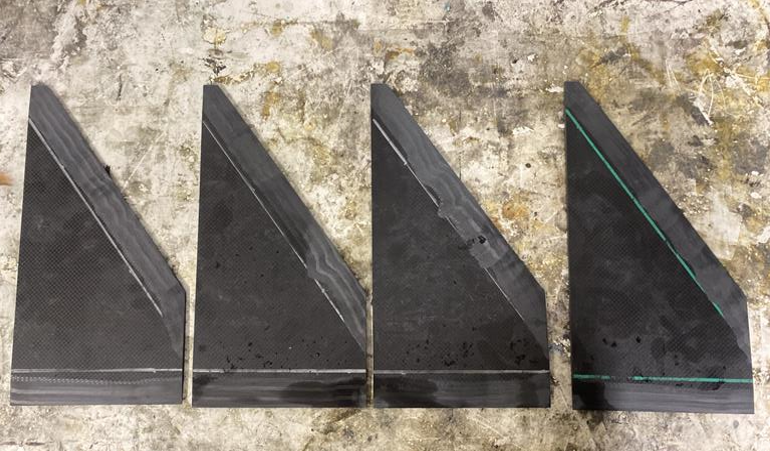
When it came time to actually manufacture the first version of Odyssey, I made it a priority to take part in the collective weeks of preparations, layups and post-processing that it takes to put together an ARES rocket. I cut slots and cut-outs in the carbon fibre body tubes and boat tail; drilled, countersunk, and deburred bolt holes at coupler joints; epoxied and filleted the fins to the body tube; and spent hours sanding down carbon fibre and bog to get the perfect airframe shape. I found a great appreciation for design manufacturing processes that understood the human side of the operation. Any cutting or layup process that saved hours of sanding later on was vitally important to me, even if it made the layup process slightly more grueling. I also designed the process and jigs to sand down the chamfers on our carbon plate fins, which was something usually done by a machine shop, savings us the ~USD$1000 that it cost us each year.
Hybrid Rocket Engine Analysis
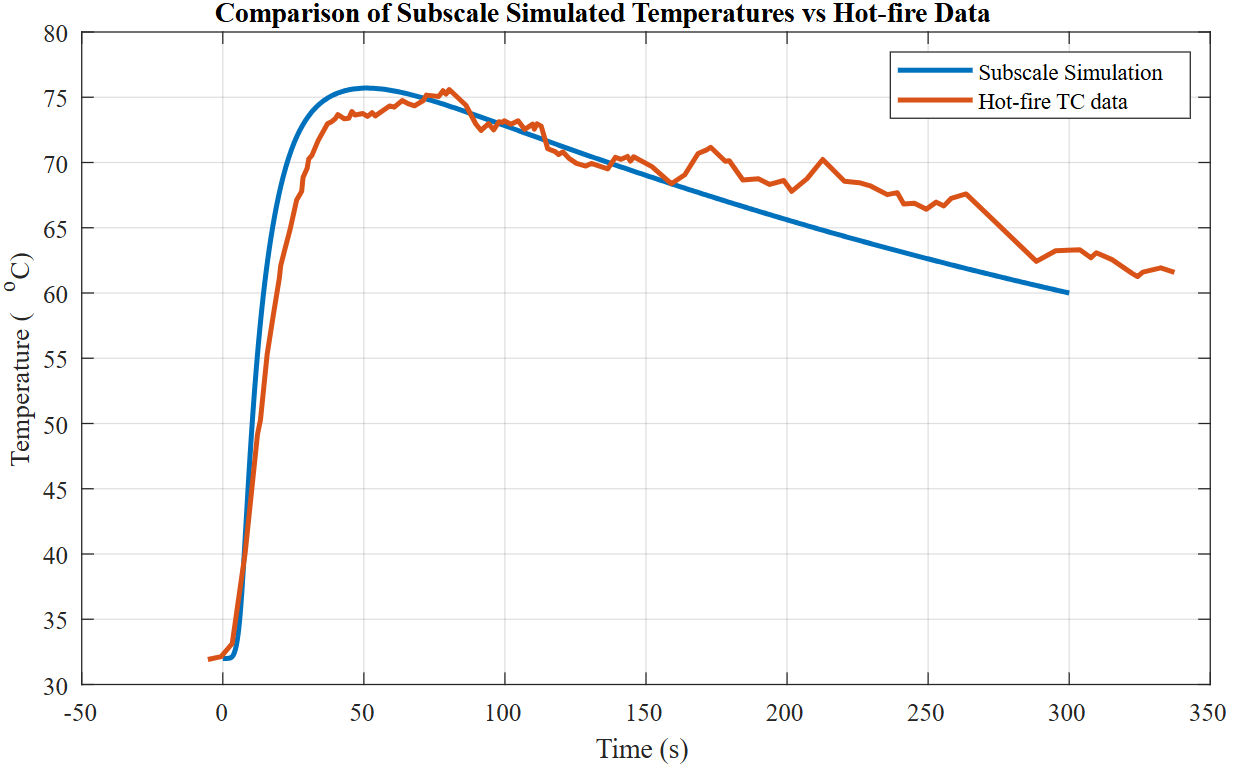
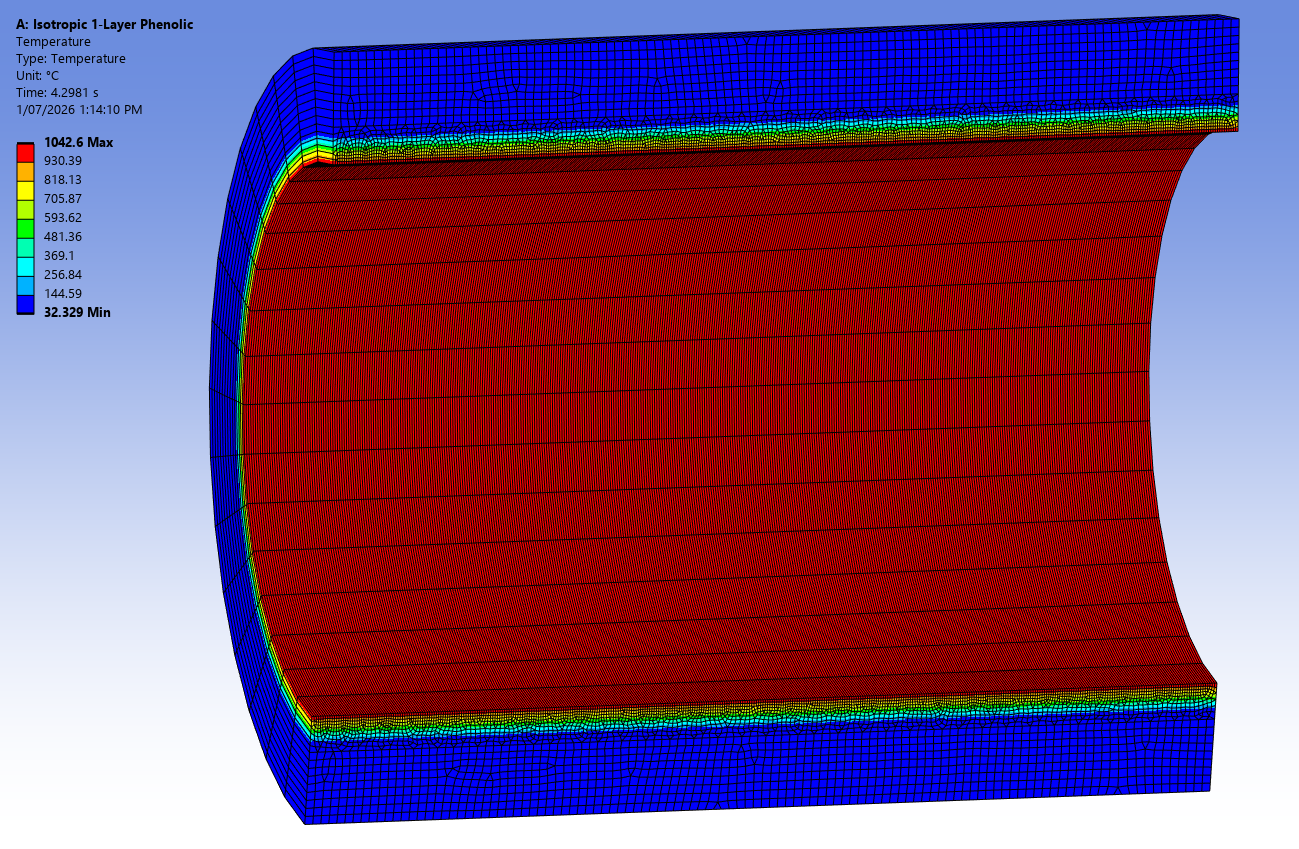
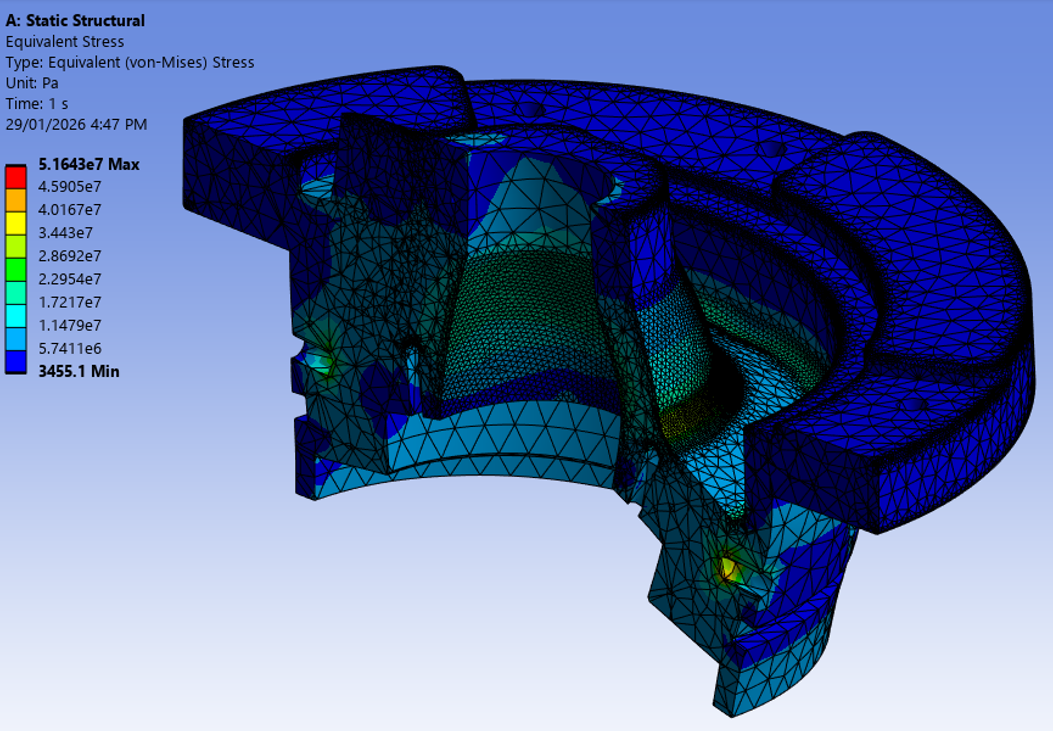
I was brought on to help finalise the design of the full-scale hybrid rocket engine in time for CDR. I assisted in the design of the phenolic-based TPS by running pseudo-3D thermal simulations in Ansys Mechanical, using the Bartz correlation and published experimental data to form boundary conditions. I modelled a subscale engine to which hot-fire data was compared, validating results for the full-scale model and returning the minimum safe phenolic thickness for the aluminium casing. Phenolic material properties were conservatively modelled with piecewise linear property functions for thermal conductivity and density. I also validated a number of structural components (bulkheads) with FEA and applied analytical acoustic methods to analyse the vibrational modes of the engine (which are a common source of poorer-than-expected performance for full-scale hybrids).